The Woman Behind the Paintings
She had no intention of becoming ordinary — and she never did.
Elaine Gignilliat (1928–2016) spent more than three decades painting the covers of historical, adventure, and romance novels — work that reached millions of readers and has, until now, been largely forgotten. This is the story of the woman behind the paintings: her ambition, her travels, her loves, and her refusal, at every turn, to live a small life.
No Ordinary Artist
Elaine Gignilliat knew she was an artist in kindergarten, when she refused to draw with the classroom's dirty, broken communal crayons. Art was not simply her favorite subject; it was the only one that truly interested her. When a high school teacher urged her to broaden her activities, Elaine declined. She had no intention, she said, of becoming ordinary.
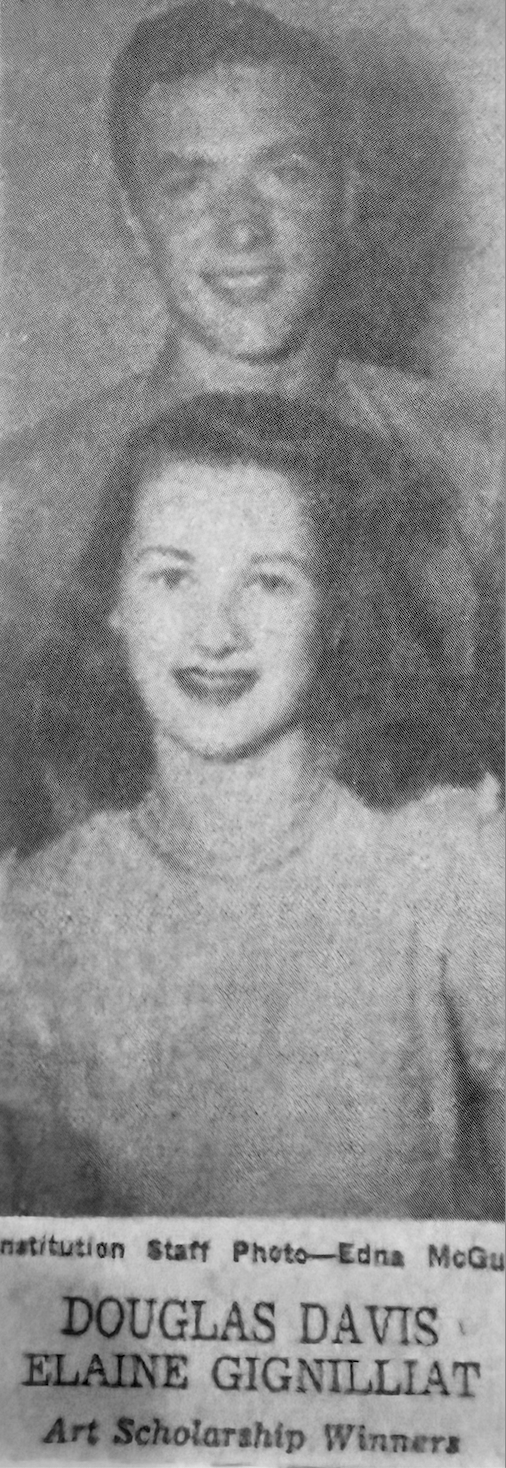
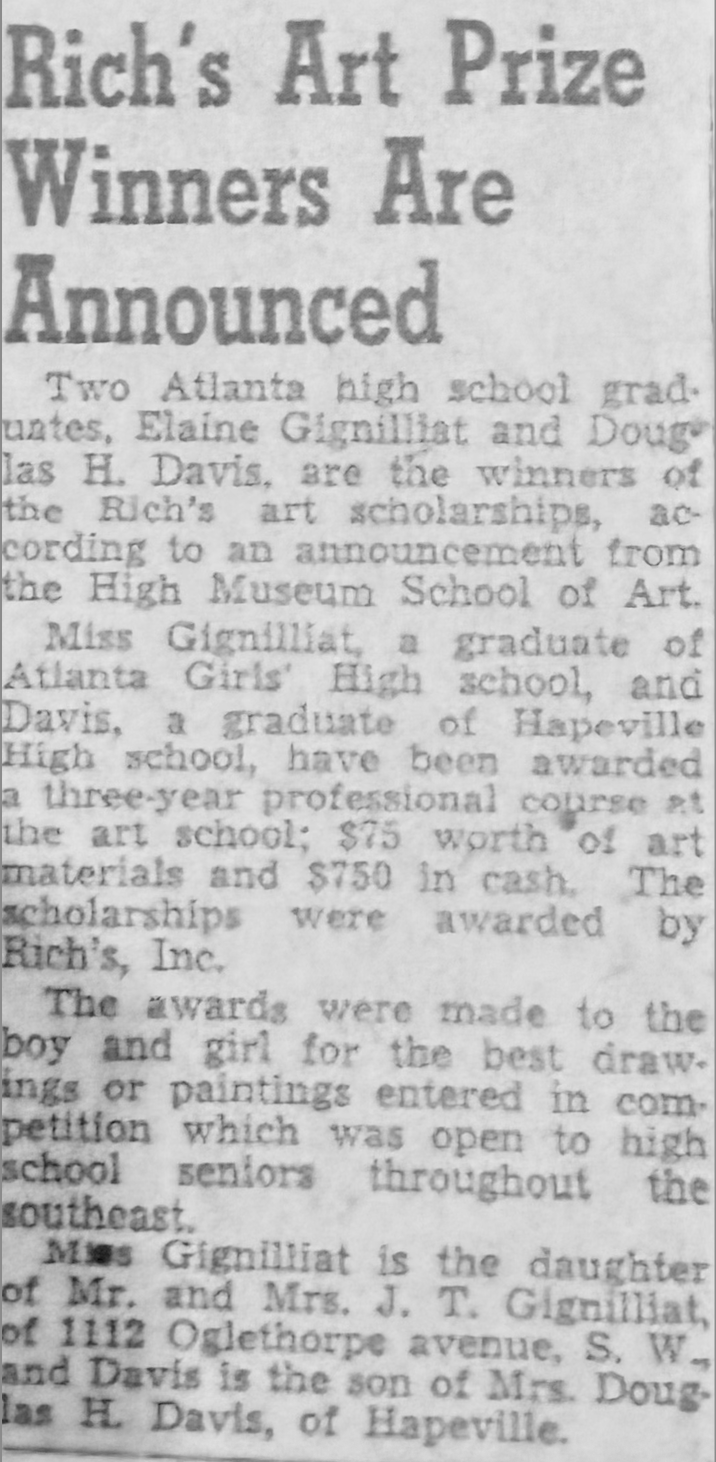
Her talent soon distinguished her. Her art teacher entered her work in a competition awarding scholarships to one boy and one girl from across the southeast to attend the High Museum School of Art. Elaine won.
A Dramatic Start
Her formal training ended abruptly during her first year, when she was expelled after becoming involved with an instructor who, in the midst of their affair, was arrested for the murder of his wife. It was an extraordinary and unsettling beginning, but it revealed a pattern that would shape Elaine's life: she pursued her two great loves, art and romance, with equal abandon.
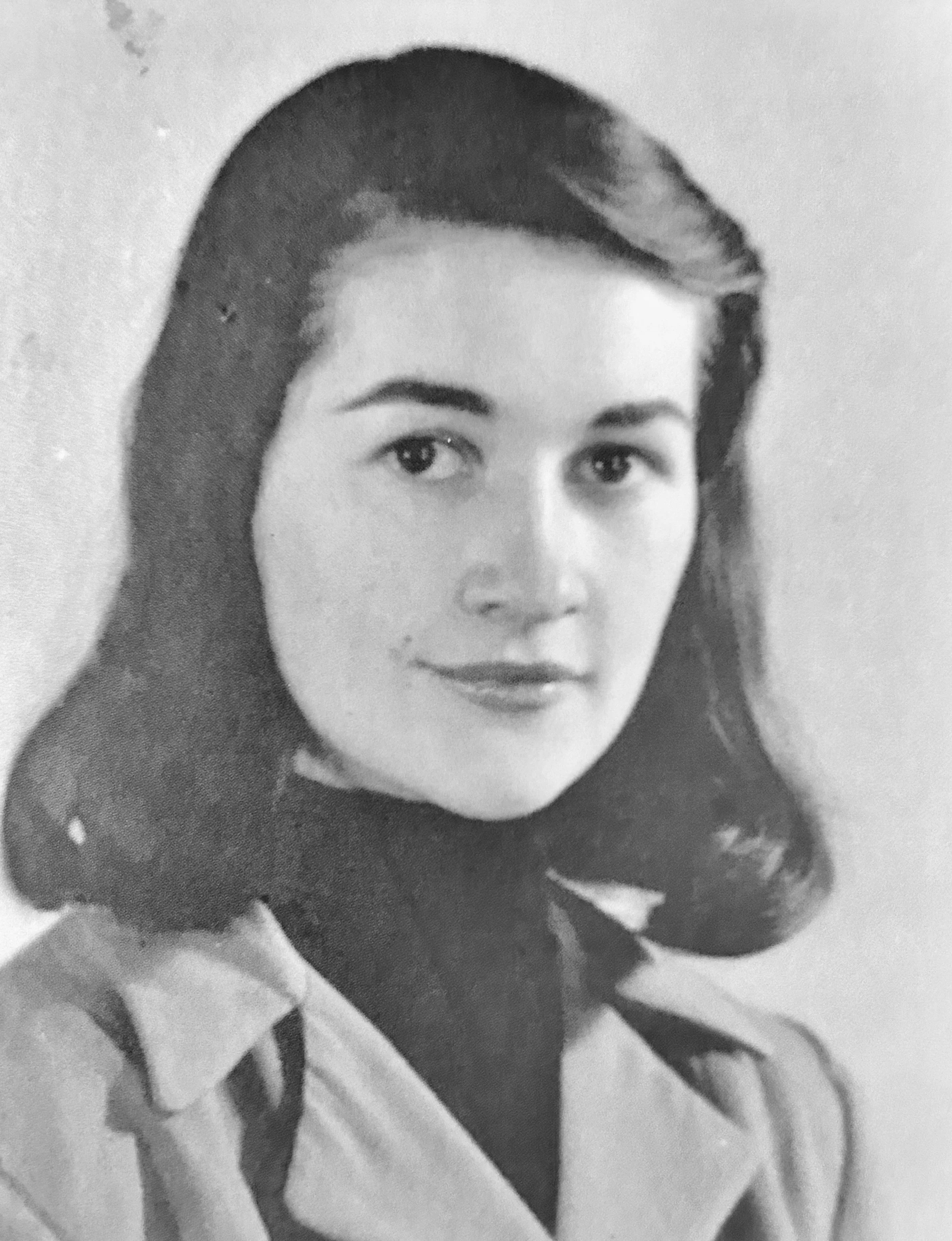
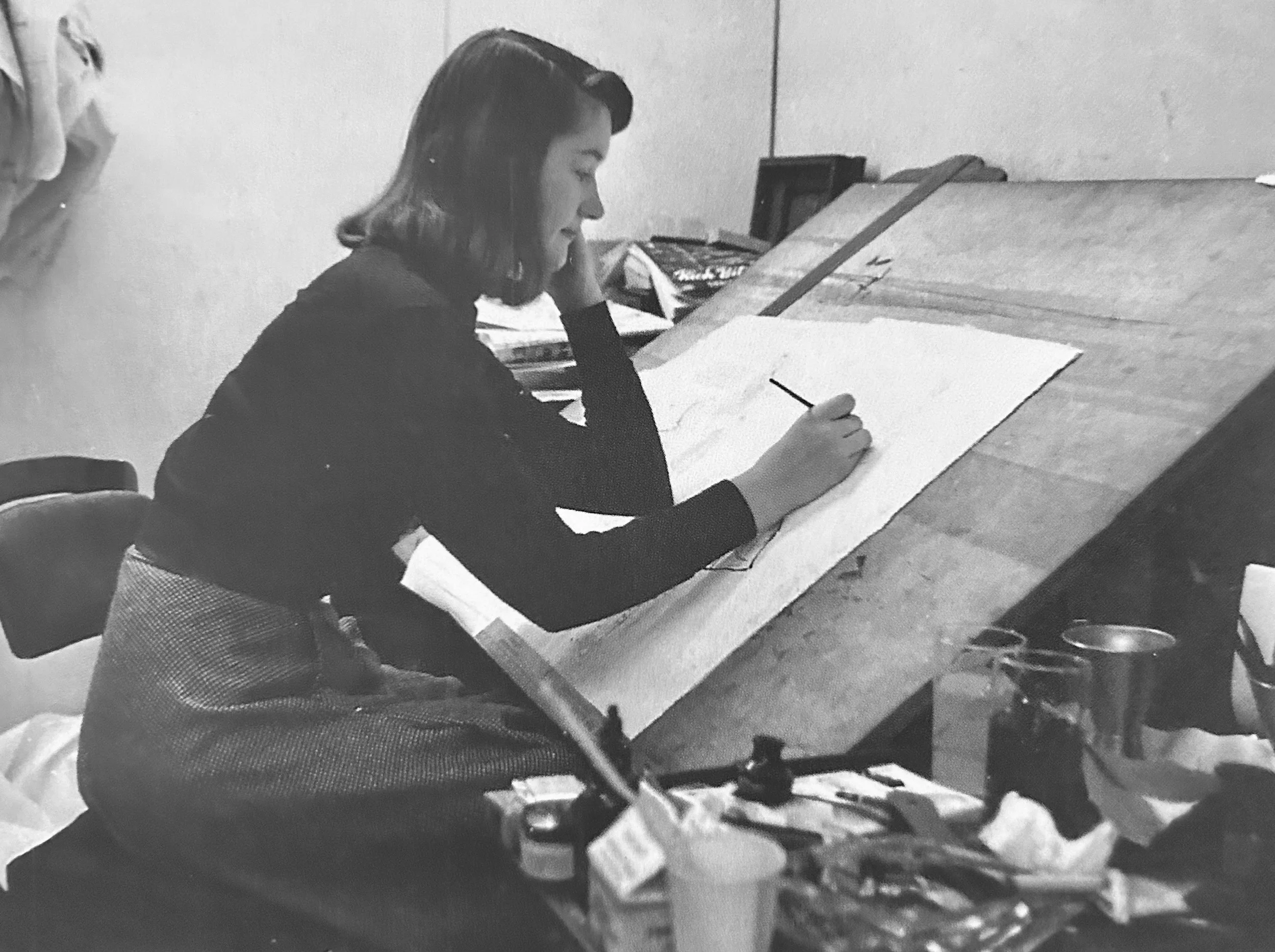
The scandal ended her schooling, but it did nothing to diminish her ambition. Elaine found work as a fashion illustrator at Rich's Department Store in Atlanta. Then, at twenty-one, she moved alone to Paris, where she drew the latest couture collections for publication in The Atlanta Constitution.
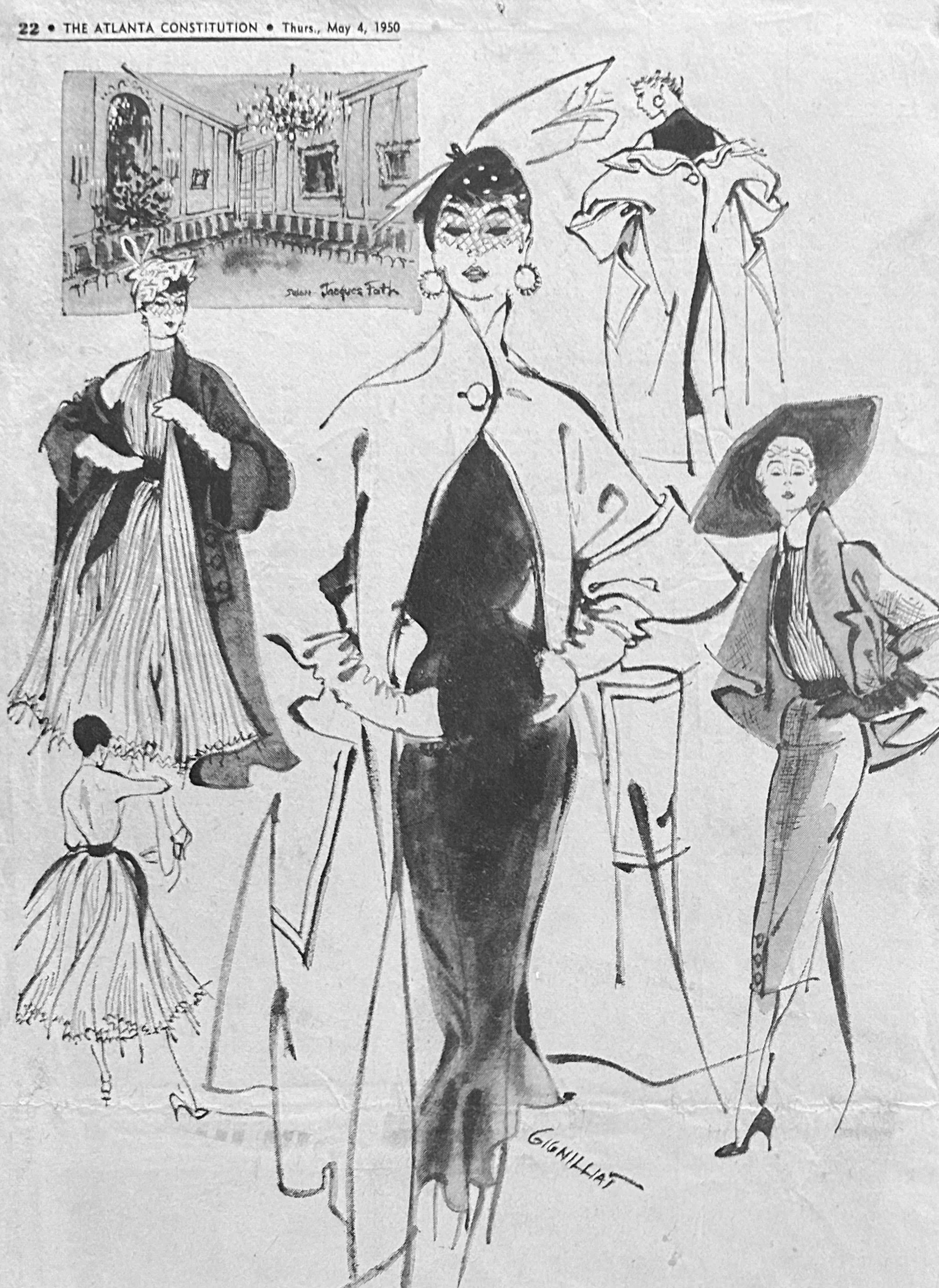
Rhapsody in Blue
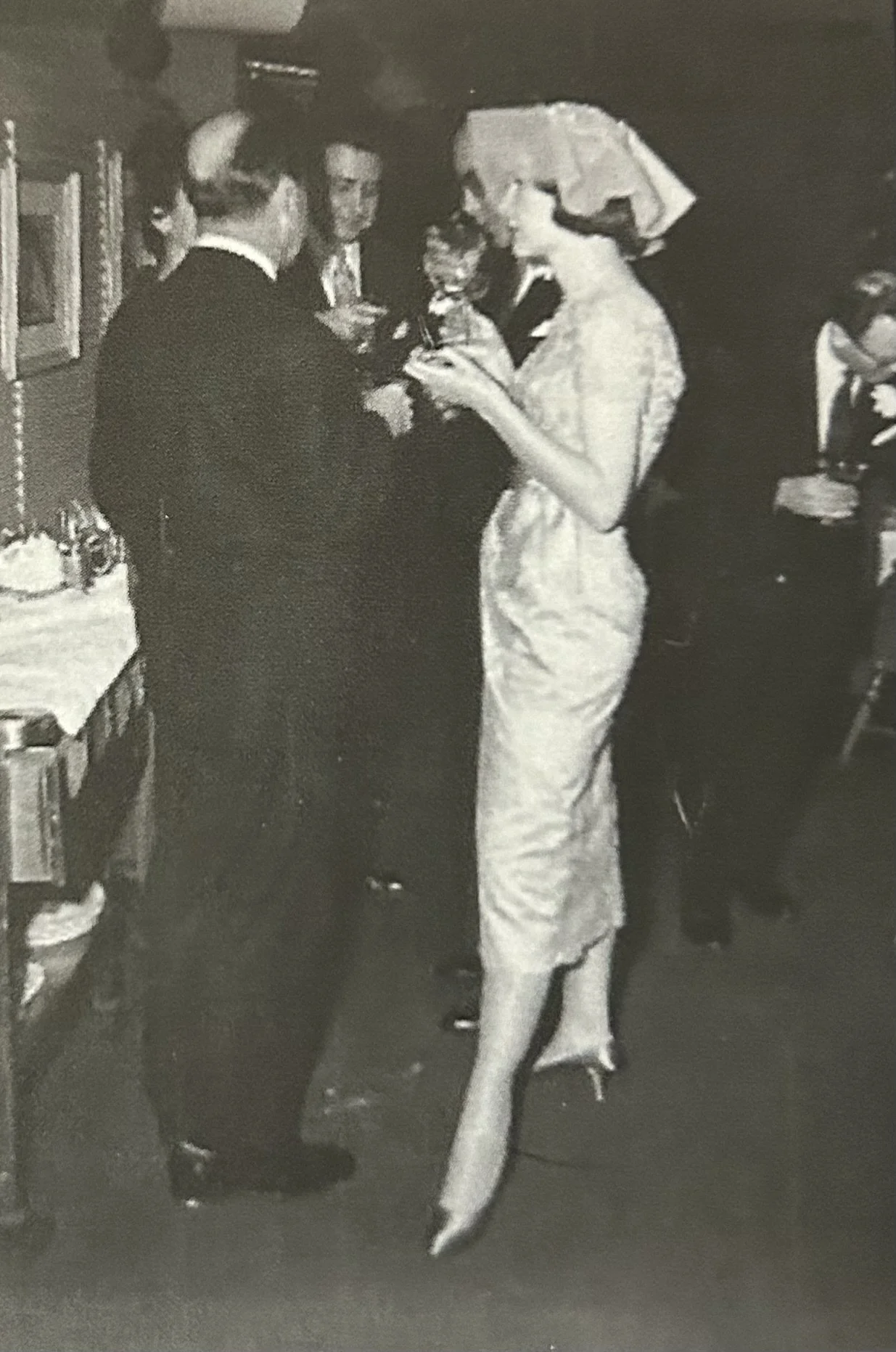
From Paris, inspired by Gershwin's Rhapsody in Blue, Elaine moved to New York City. The city suited her. She became a successful fashion illustrator at Stern's department store, moving through a world of elegance, ambition, and possibility. New York in the early 1950s was alive with creative energy, and Elaine was very much part of it — a young Southern woman who had already lived in Paris, survived scandal, and arrived in Manhattan entirely on her own terms.
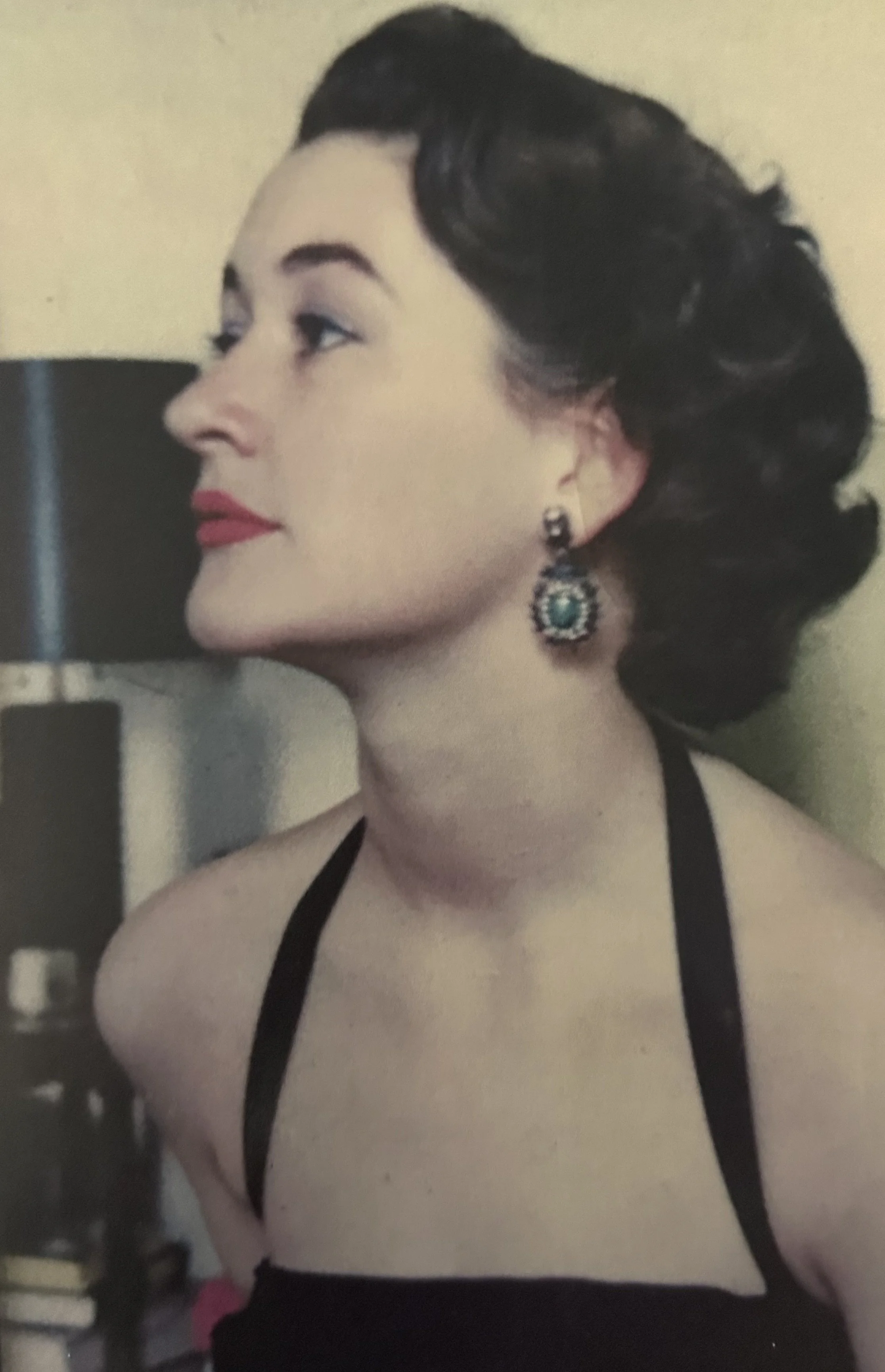
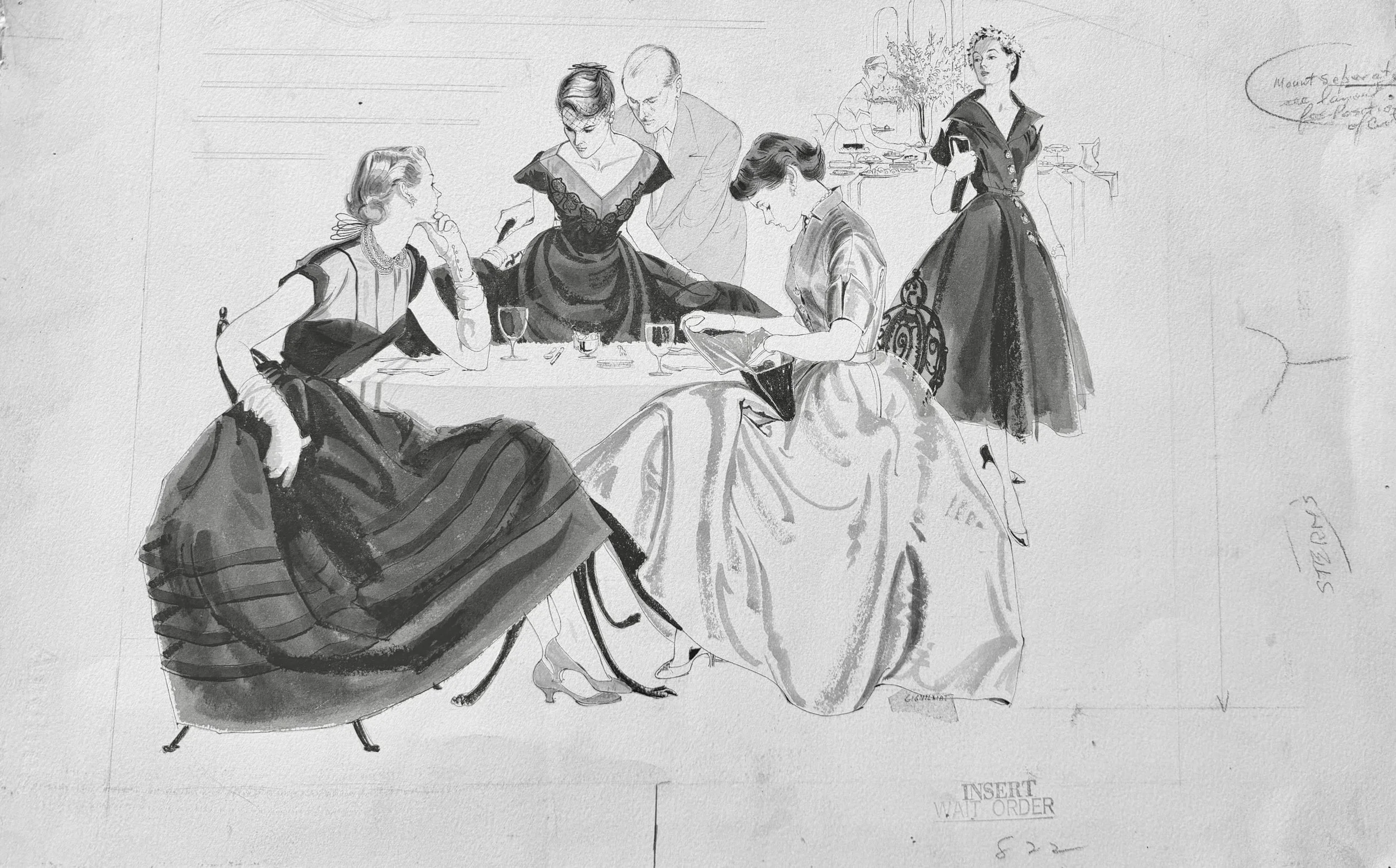
In Search of True Love
On a visit home to Georgia, her mother warned her that she had better find a husband quickly or risk becoming an old maid. Elaine was twenty-three.
She responded by devising a characteristically unconventional plan: she would bake a cake, offer slices to eligible bachelors, and marry the first man who proposed. The successful suitor was a six-foot-three, elegant and handsome editor at Vogue. They eloped only weeks later. But elegance and suitability were not enough — a marriage without genuine passion could not sustain her, and she ended it.
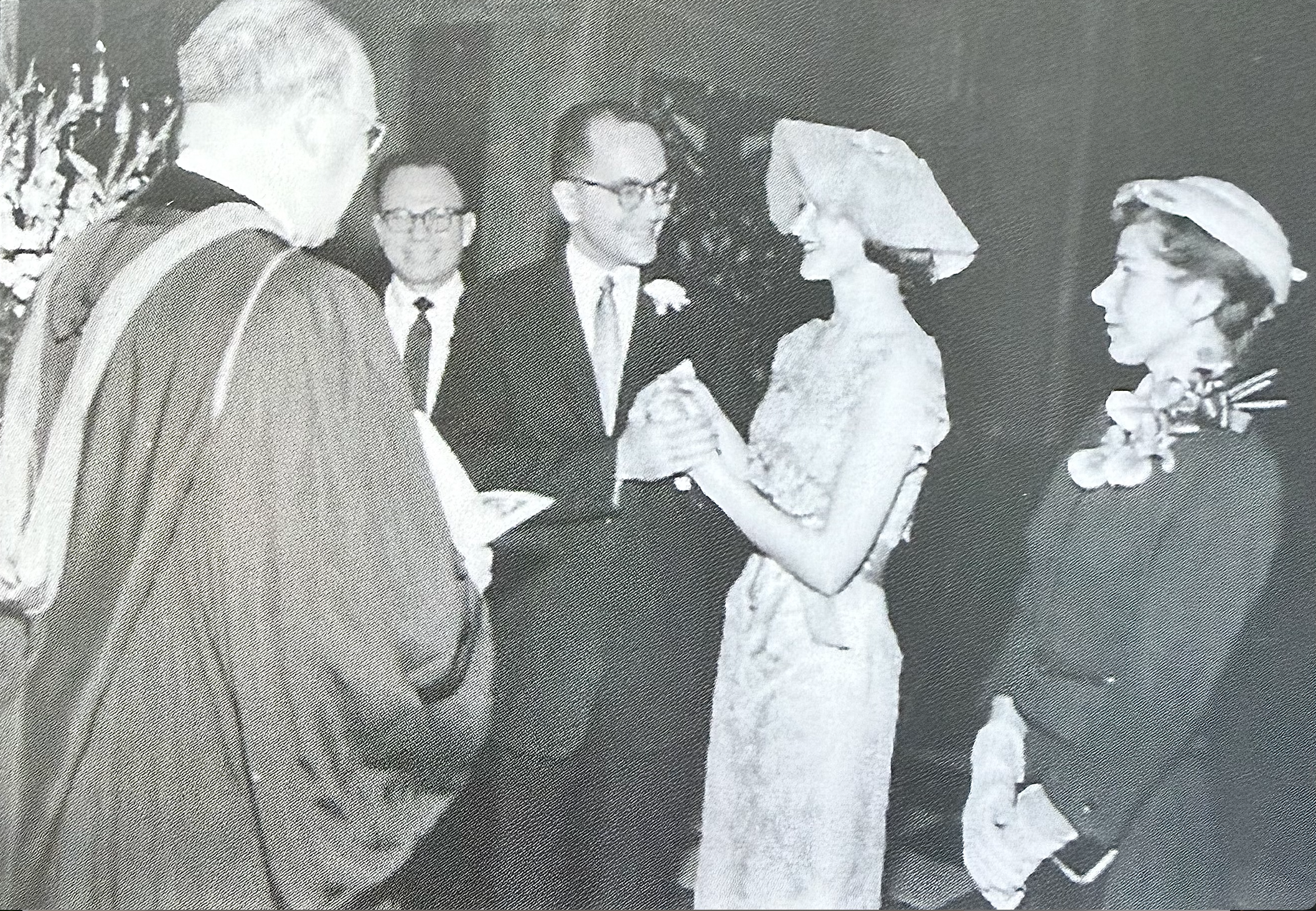
Still very much a romantic, she waited for the real thing. One evening, James Lancaster sauntered into the bar of New York's famed Algonquin Hotel, where Elaine was perched on a stool sipping a martini. She swiveled her chair toward him and never looked back.
They were married six weeks later.
More to Come
Elaine, like the heroines in her paintings, lived a life filled with the beauty, drama, risk, longing, and decisiveness of a women who refused to settle for a life without passion. The paintings in the Holding the Moment exhibition are not simply illustrations; they are the work of someone who understood, from the inside, what it meant to want something deeply and pursue it without apology.
There is much more to Elaine's story. Check back soon.